Studies grouped by the test subject
GHK-Cu is a copper-bound peptide tested on skin, hair, wounds, and rats.
This page starts with the strongest findings, then gives every limit that belongs with them.
GHK-Cu made more collagen in skin cells
The strongest early GHK-Cu result came from dishes of human skin cells. The test used about one-billionth of a chemistry mole per liter or less, written as 10^-12 through 10^-11 M, with most near 10^-9 M [1].
Cell totals stayed flat while collagen output rose per cell. The copper form also changed proteins that guide tissue clearing [7].
One protein clears worn tissue. Others stop that work from going too far.
The limits matter for your reading. Strong results often come from cells or rodents, and free GHK isn't GHK-Cu.
Copper peptide skin trials found some firmer skin
Skin work gives some of the best human evidence for GHK-Cu. One review reported firmer skin, shallower fine lines, and reduced wrinkle depth [3].
Among treated women, collagen rose in 70%. Vitamin C reached 50%, and retinoic acid reached 40% [3].
Blood GHK fell from about 200 nanograms per milliliter at age 20; one nanogram is one-billionth of a gram. By age 60, the amount was about 80 nanograms per milliliter [3].
The fall doesn't prove skin products restore youth. It only shows that blood levels changed with age.
A 2025 review found free GHK crossed the skin's outer layer poorly. A fat-linked form and small needles improved passage in lab tests [10].
These skin findings are useful but narrow. They don't prove benefits throughout your body.
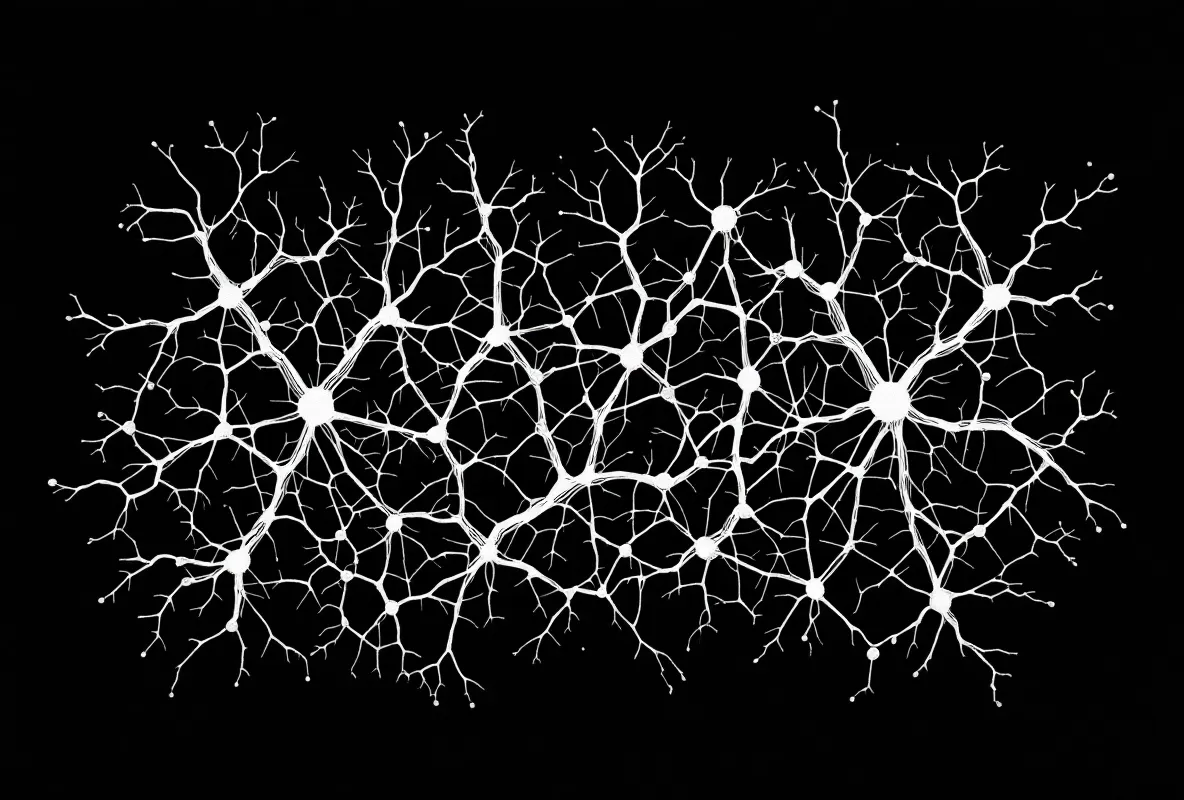
Copper peptide hair work includes one trial
Mice grew more hair at the roots after a copper-peptide mix [11]. One controlled trial also counted hair in men.
The 6-month, 45-patient ALAVAX trial studied male-pattern thinning. ALAVAX paired GHK with a second working ingredient.
The 100 milligrams per milliliter group gained an average 52.6 hairs. The 50 milligrams per milliliter group gained 71.5.
The placebo group gained 9.6 hairs on average. No harmful events were reported [9].
The smaller amount had the larger average gain. The result gave no simple more-is-better pattern.
ALAVAX was not pure GHK-Cu. The other active part may have helped.
The proposed effect concerns hair roots and their blood supply. It isn't the same as blocking a male hormone.
Copper Tripeptide-1 for hair was not tested alone
A skin-care jar may list Copper Tripeptide-1 for GHK-Cu. The related 45-patient hair trial tested an ALAVAX mix for six months [9].
Hair counts beat placebo, and mice also grew more hair at the roots [11]. Neither result proves Copper Tripeptide-1 works alone.
The lab idea involves the root and its nearby blood supply. The copper tripeptide-1 page explains the label name.
Rat wounds and lab materials responded to GHK-Cu
Rat wounds closed sooner when lab-made materials carried GHK-Cu. A soft GHK gel led human stem cells to release more repair proteins [13].
The cells responded through a grip on their outer surface. That finding came from a dish, not a wound in a person.
More skin cells stayed alive under a GHK-Cu coat, which also slowed bacteria [14]. Collagen holding GHK sped rat skin repair [12].
A 2008 review found similar repair and cell-defense signs [6]. Rat and dish results differ sharply from a large patient trial.
Wound materials held GHK-Cu at the sore
Wound materials can hold GHK-Cu against a sore. Collagen holding GHK sped skin wound healing in rats [12].
A coat at 1 millimole per liter kept more human skin cells alive after 3 days. Within 1 hour, the coat reduced two kinds of bacteria [14].
That strength belongs only to the lab test. It gives no amount for wound care.
Another soft gel carried GHK-Cu in tiny fibers. Rat wounds closed faster and formed dense collagen plus small blood vessels [15].
Compared with plain GHK and another growth protein, the gel caused more skin-cell growth. Cells also moved more, which is part of closing a wound.
The work used rats or cells. It did not test a large group of patients.
GHK-Cu lowered signs of swelling in lab work
In lab work, GHK-Cu lowered cell damage and tgf-beta-1, a protein tied to lasting swelling [6]. Repair cells traveled toward damaged tissue.
A computer review found fewer gene signs linked with swelling [4]. These results don't make GHK-Cu an approved medicine for swelling.
Copper peptide studies found several repair effects
Copper-peptide work points to three broad effects: tissue growth, vessel growth, and less cell damage. One review found more collagen and elastin for tissue strength [6].
The vessel-growth protein FGF-2 rose. Nerve-growth proteins called types 3 and 4 rose as well.
The scar-linked protein tgf-beta-1 fell, along with signs of cell damage. Other changes supported nerves and red blood cells.
A skin review found firmer skin and fewer wrinkles than placebo [3]. The full record includes cells, animals, and small skin trials, not broad human proof.
GHK-Cu anti-aging claims outrun the proof
A computer scan found broad changes in gene activity [4]. The scan did not show whether a living person was helped.
Blood GHK fell from about 200 nanograms per milliliter at age 20. By age 60, it was about 80 nanograms per milliliter [3].
Those facts are often sold as proof against aging. They aren't, since the strongest work is in cells and small skin trials.
GHK-Cu raised collagen in cells and skin studies
Adding GHK-Cu caused extra collagen in dishes of human skin cells [1]. The test used about one-billionth of a chemistry mole per liter or less, written as 10^-12 through 10^-11 M, with most near 10^-9 M.
Cell totals held steady while collagen output per cell rose. People in a skin review also had more collagen and thicker skin [3].
That human finding came from skin care. It did not test a whole-body treatment.
Copper peptides helped hair in mice and one trial
Copper-peptide mixes helped mice grow more hair at the roots [11]. A 6-month ALAVAX trial counted hair in 45 men.
Average gains ran from 52.6 to 71.5 hairs. The placebo group gained 9.6, and no harmful events were reported [9].
ALAVAX contained GHK and another active part. Pure GHK-Cu therefore remains unproved for your hair.
Copper peptide hair regrowth is not yet proved
The best human hair result came from a 45-patient test of ALAVAX. That product joined GHK to another active ingredient.
After six months, its hair count beat the placebo count [9]. Mice also grew more hair at the roots [11].
A mixed product and a mouse study support more tests. They don't prove GHK-Cu regrows hair.
Copper peptide hair work is not about hormones
Copper-peptide mixes helped mice grow more hair at the roots [11]. A controlled human trial also counted more hair after a GHK mix [9].
The proposed effect involves the root and nearby blood vessels. It doesn't block male hormones, and pure GHK-Cu wasn't tested.
Copper peptide vs retinol: one collagen result
Collagen rose in 70% of people given GHK-Cu on their skin. The vitamin C group reached 50%, and retinoic acid reached 40% [3][10].
That result covered one collagen test. It did not compare every gain, harm, or skin type.
The finding therefore cannot settle your whole choice. A doctor can weigh skin needs the study did not test.
Copper peptide side effects were mostly on the skin
Skin reactions are the main reported trouble with copper products put on skin. One six-month hair trial found no harmful events [9].
About 40% of people in one acne-scar study had darker spots. Some people also had skin irritation.
Very acidic vitamin C may harm the copper bond. Skin-peeling acids can weaken it as well.
Human shot safety has not been measured well over time. Most safety work still comes from cells or rodents.
GHK-Cu beat retinol on one narrow test
A review found a collagen rise in 70% of people given GHK-Cu. Vitamin C reached 50%, while retinoic acid reached 40% [3][10].
GHK-Cu led that one narrow test. The finding doesn't settle the best choice for every skin goal.
Copper peptide safety depends on how it is used
Copper-peptide safety changes with the form. UK, EU, and US rules allow Copper Tripeptide-1 in skin products [6].
Lab tests show the copper bond is firm. One human study found 97 micrograms per cm^2 after 48 hours [5].
That means the copper stayed in a square-centimeter patch of skin. The test did not establish a safe long-term amount.
A controlled 6-month hair trial found no harmful events [9]. That supports skin use more than forms meant for the whole body.
Some skin work found dark spots in about 40% of people. Some people also had irritation.
Very acidic vitamin C may harm the bond. Skin-peeling acids can also weaken it.
No GHK-Cu drug has US or EU approval. Human studies haven't shown long-term shot safety or tracked copper buildup [6].
Reports have not linked GHK-Cu to human copper poisoning. Even so, skin safety doesn't prove whole-body safety.
GHK-Cu brain work has only been done in rats
Brain-related evidence for GHK-Cu is still at the rat stage. Free GHK lowered pain-linked attack behavior in rats [16].
That result suggests an effect in the brain, but it didn't test copper-bound GHK-Cu. No controlled human brain finding is presented here.